Somewhere between “I need coffee in ninety seconds” and “I have twenty minutes and I want this to be an experience,” there’s a brew method built for exactly where you are. Pour over, french press, cold brew and filter coffee each have their own moment — but three of the most common ways people actually make coffee on a weekday morning haven’t had their say yet: the aeropress, the moka pot, and the plain old drip machine. Comparing coffee brewing methods isn’t about finding a single winner. It’s about matching the method to the morning you’re actually having.
Aeropress: Fast, Forgiving, and Genuinely Good
The aeropress looks like lab equipment and behaves like the most forgiving brewer you’ll ever own. Ground coffee and hot water sit together in a cylinder for under a minute, then you press a plunger through a paper filter to push the brewed coffee out. Total time, start to finish, is usually under three minutes.
What makes aeropress coffee worth the counter space is how hard it is to mess up. The short steep time and paper filter mean even an imprecise grind or a slightly-off ratio still produces a clean, well-balanced cup — closer in character to a pour over coffee than to espresso, just faster and more forgiving of a rushed morning. It’s also the most portable serious brewing method around: light, unbreakable plastic and rubber, no glass carafe to worry about, which is why it shows up in office kitchens and travel bags as often as home counters.
The trade-off is volume. Aeropress makes one strong cup at a time, not a pot. If you’re brewing for one person on a weekday, that’s a feature. If you’re making coffee for a household, it’s a limitation.
Moka Pot: Strong, Stovetop, and Old-School by Design
The moka pot has been sitting on Italian stovetops for close to a century, and the method hasn’t needed to change. Water in the bottom chamber heats until steam pressure pushes it up through a basket of finely ground coffee and into the top chamber. What comes out isn’t quite espresso — there’s less pressure involved than a real espresso machine generates — but it’s dense, strong, and intensely aromatic, closer to a concentrated filter coffee decoction than to drip.
Moka pot coffee rewards a finer grind than drip or pour over, closer to what you’d use for filter coffee, and a PJC Medium or Dark Roast suits it well — the boldness holds up against the moka pot’s naturally strong, slightly bitter edge, the same reason those roasts work for milk-forward south indian coffee. Brew time is roughly five minutes, plus however long it takes your stovetop to build pressure, and there’s a real learning curve around heat control: too high and you scorch the coffee; too low and it stalls. Once you’ve got the heat dialled in, though, it’s remarkably consistent.
The moka pot’s real advantage is that it needs nothing but a stovetop and the pot itself — no filters to buy, no electricity, no proprietary pods. For a strong, no-frills daily cup, it’s hard to beat on cost per brew.
Drip Machine: Set It, Forget It, Drink It
The drip machine is the method most people already own, and there’s a reason it’s stuck around: it asks nothing of you beyond loading water and grounds and pressing a button. Hot water drips evenly over a bed of medium-ground coffee in a basket filter, and gravity does the rest — the same basic physics as pour over, just automated and usually brewing a full pot instead of a single cup.
The honest trade-off is control. A drip machine can’t adjust for bloom time, pour pattern, or water temperature the way a hands-on method can, so the cup tends to be flatter and less expressive than the same beans brewed by pour over or aeropress. What it does deliver is consistency and volume — genuinely useful if you’re making coffee for a family or an office rather than a single cup for yourself. A PJC Medium Roast is a safe, well-rounded choice here: it holds its character reasonably well even through a less precise brew, which is exactly what a drip machine needs from a bean.
Matching the Method to Your Morning
If you have two minutes and want one excellent cup: aeropress. It’s the fastest hands-on method that still tastes deliberate rather than rushed.
If you want something strong, stovetop, and don’t mind a five-minute ritual: moka pot. No filters, no electricity, just heat and pressure doing what they’ve done for decades.
If you’re brewing for more than one person and want to press a button and walk away: drip machine. It won’t be the most expressive cup in this list, but it’s the least effort for the most coffee.
If you have time to slow down and want the most control over flavour: that’s where pour over coffee and french press already come in — worth a look if none of these three quite fit what you’re after.
None of these methods is objectively “better” than another — they’re solving different problems. The real question isn’t which brewing method is best. It’s which one matches how much time, effort, and equipment you actually want to put into your coffee on an ordinary day.
The One Constant: Start With Good Beans
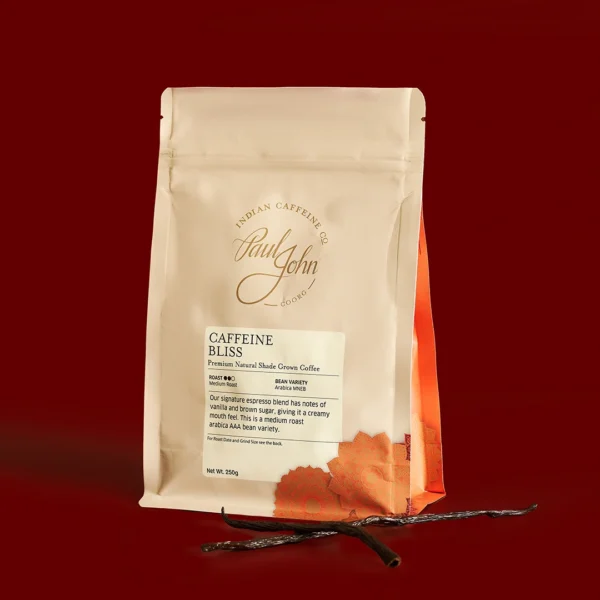
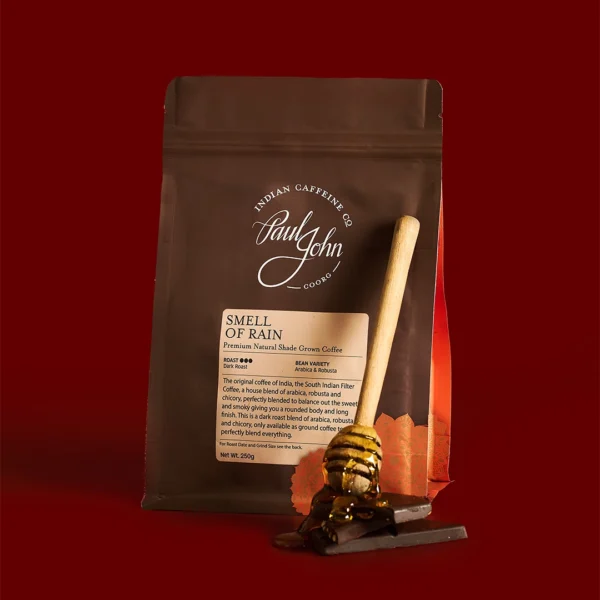
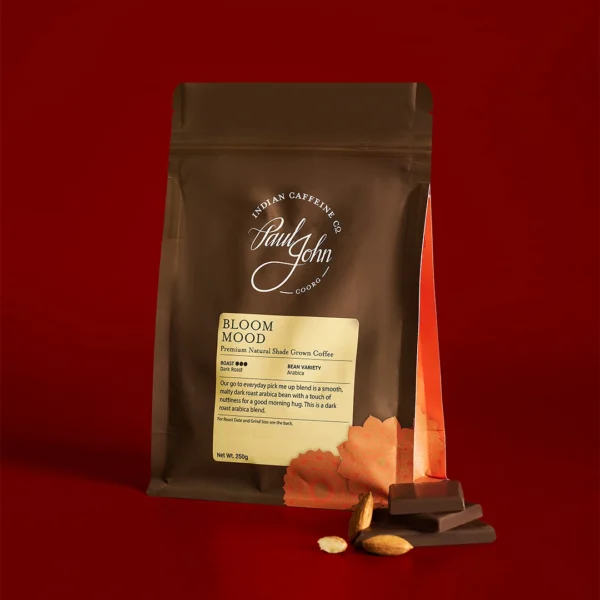
Here’s the part that holds true no matter which method you pick: none of these brewers can rescue a bad or stale bean, and all of them can make a good one shine. Aeropress and moka pot in particular are unforgiving of tired coffee — the intensity of both methods exposes flatness fast. That’s why every PJC roast, whichever profile suits your method, is freshly roasted coffee made from 100% arabica coffee beans, so the method you choose is working with something worth brewing in the first place.
Ready to find your method? Buy coffee online from Paul John Caffeine and pick the roast that matches your morning — aeropress or moka pot with Medium or Dark, drip with a reliable all-rounder. Order coffee online today and stop settling for whichever bag was closest on the shelf.